mega casino login — preguntas frecuentes de 2026
mega casino login se ha vuelto indispensable en el ecosistema de los juegos de azar en línea, donde la confianza y la rapidez son prioritarias. La implementación de medidas avanzadas de seguridad ha transformado la manera en que se gestionan las credenciales y los datos monetarios. Nuestro objetivo aquí es desglosar los elementos que componen mega casino bono y ofrecer una guía útil para su uso cotidiano.
Ver también:
bingo casino — estrategias ganadoras | bingo casino
- Bienvenido al mundo del juego: mega casino retirar explicado
- Tu acceso al casino: mega casino retirar y alta de cuenta
- ¿Cómo acceder a mega casino bono desde tu teléfono?
- Bonos y condiciones al registrarte en mega casino
- Capturas de la zona de cuenta de mega casino
- mega casino en cifras y datos clave
- Guía rápida: todo sobre mega casino retirar
- Herramientas de juego responsable de mega casino en 2026
Bienvenido al mundo del juego: mega casino retirar explicado
which appears to be a placeholder, and the locale is a critical variable that shapes every aspect of the user experience, from the language of the interface to the formatting of dates, times, and currencies. In a globalized digital ecosystem, the locale determines not only the literal translation of words but also the cultural context in which those words are interpreted, including idiomatic expressions, humor, and even the direction of text flow for right-to-left languages like Arabic or Hebrew. For instance, a date like "03/04/2025" might mean March 4th in the United States but April 3rd in most of Europe, leading to potential misunderstandings in scheduling, compliance, or data analysis if the locale is not correctly identified and applied. Similarly, numeric separators vary: in Germany, a comma denotes the decimal point, while in India, the grouping of digits uses the lakh and crore system, which can drastically alter the readability of large financial figures. The locale also influences sorting algorithms, as the alphabetical order of characters differs across languages—for example, in Spanish, "ñ" is treated as a separate letter after "n", while in German, umlauts like "ä" may sort as "ae" depending on the collation rules. Moreover, the locale affects the choice of units for measurement, such as miles versus kilometers, pounds versus kilograms, and Fahrenheit versus Celsius, which are not merely cosmetic differences but can have serious implications in fields like aviation, medicine, or engineering, where a misinterpretation could lead to errors with real-world consequences. Beyond these tangible elements, the locale embeds societal norms and legal requirements, such as the format of postal addresses, the use of honorifics, or the necessity of including VAT numbers on invoices, which must be handled correctly to ensure compliance with local regulations. In software development, the locale is often encapsulated in a locale code like "en-US" or "fr-CA", which not only specifies the language but also the regional variant, because English as spoken in the United Kingdom differs from that in the United States in spelling (colour vs. color), vocabulary (lift vs. elevator), and even date conventions (day-month-year vs. month-day-year). The locale also drives the presentation of names, where in some cultures the family name precedes the given name, and in others, the order is reversed, which can affect user profiles, contact lists, and search results. Furthermore, the locale influences the handling of time zones, daylight saving time rules, and the display of time in 12-hour or 24-hour formats, which are essential for coordinating global teams, scheduling meetings across continents, or logging events in distributed systems. In e-commerce, the locale determines the currency symbol placement, the use of thousand separators, and the rounding rules, which must align with the user’s expectations to avoid confusion at checkout. The locale also impacts the interpretation of units like percentages, which in some contexts are written with a space before the percent sign, or the use of decimal commas in statistical reports. In content management systems, the locale affects the pluralization rules, where languages like Russian or Polish have complex plural forms beyond singular and plural, requiring sophisticated logic to correctly display counts such as "1 item", "2 items", "5 items", but in Russian, "1 предмет", "2 предмета", "5 предметов". The locale also governs the use of quotation marks, which differ between languages—for example, English uses curly double quotes, while French uses guillemets, and German uses low and high quotes—which must be correctly rendered for typographic accuracy. In search engines and databases, the locale determines the stemming and tokenization of words, where a search for "running" might match "run" in English but not in other languages with different morphological rules. The locale also influences the handling of case sensitivity, as some languages like German capitalize all nouns, while others have specific rules for titles and headings. In software localization, the locale is not just a static setting but can be dynamically detected from the user’s browser, device, or geolocation, and it must be consistently applied across all user-facing text, error messages, and help documentation to provide a seamless experience.
regalos de coin master — títulos destacados | regalos de coin master
Tu acceso al casino: mega casino retirar y alta de cuenta
Registrarse is a Spanish verb that translates to "to register" or "to sign up" in English. It is a reflexive verb, meaning it is used with reflexive pronouns (me, te, se, nos, os, se) to indicate that the action is performed on oneself. This verb is commonly used in various contexts, such as creating accounts on websites, enrolling in courses, signing up for events, or officially recording personal information in government or medical systems. The reflexive nature of the verb emphasizes that the subject is both the doer and the receiver of the action. For example, "Yo me registro" means "I register myself," while "Él se registra" means "He registers himself." In everyday usage, the reflexive pronoun is often included, but in some regions, it may be omitted when the context is clear, though this is less standard. The verb follows the regular -ar conjugation pattern, but because it is reflexive, the pronoun must agree with the subject. In the present tense, the conjugation is: yo me registro, tú te registras, él/ella/usted se registra, nosotros/nosotras nos registramos, vosotros/vosotras os registráis, and ellos/ellas/ustedes se registran. The preterite tense (simple past) is used to indicate a completed action, such as "Ayer me registré en el hotel" (Yesterday I checked into the hotel). The imperfect tense describes ongoing or habitual past actions, like "Cuando era niño, me registraba en la biblioteca cada mes" (When I was a child, I used to register at the library every month). The future tense is formed by adding the endings to the infinitive, so "me registraré" means "I will register." The conditional tense, "me registraría," expresses a hypothetical action, as in "Me registraría si tuviera tiempo" (I would register if I had time). The subjunctive mood is used in subordinate clauses to express desires, doubts, or emotions, such as "Espero que te registres pronto" (I hope you register soon). The imperative mood is used for commands, with forms like "Regístrate" (Register yourself) for tú, and "Regístrese" for usted. In the context of technology, registrarse is frequently used when creating user accounts on platforms like social media, online banking, or streaming services. For instance, "Para usar la aplicación, primero debes registrarte con tu correo electrónico" (To use the app, you must first register with your email). In academic settings, students might need to registrarse for classes at the beginning of each semester, often through an online portal. In healthcare, patients are required to registrarse at the reception desk before seeing a doctor, providing personal details and insurance information. In government offices, citizens may need to registrarse to vote, obtain a driver’s license, or apply for social services. The verb also appears in legal contexts, such as registering a business, a trademark, or a vehicle. For example, "La empresa se registró en el registro mercantil" (The company registered in the commercial registry). In sports, participants must registrarse for marathons or tournaments, often paying a fee and signing a waiver. The reflexive form can also imply a process of self-identification, as in registering one’s presence at an event or checking in online. Additionally, registrarse can be used metaphorically to indicate becoming part of a system or list, such as "registrarse en la historia" (to make one’s mark in history). The verb is derived from the noun "registro," which means record, registry, or log, and ultimately from the Latin "regesta," meaning things recorded. Understanding the nuances of registrarse is essential for Spanish learners because it appears frequently in both formal and informal communication. It is also important to note that in some Spanish-speaking countries, alternative verbs like "inscribirse" or "matricularse" may be preferred in specific contexts, though registrarse is generally understood everywhere. For instance, in Spain, "inscribirse" is often used for courses and events, while "matricularse" is common for university enrollment. However, registrarse remains a versatile and widely accepted term. When using registrarse, it is crucial to match the reflexive pronoun with the subject, as incorrect usage can lead to confusion. For example, saying "me registro" is correct, but "te registro" would mean "I register you," which changes the meaning entirely. In negative sentences, the pronoun is placed before the verb: "No me registro" (I do not register). In questions, the pronoun can be attached to the verb or placed before it, depending on the structure, such as "¿Te registras?" or "¿Registras te?" (though the latter is less common and considered informal). The past participle "registrado" is used in perfect tenses with the auxiliary "haber," as in "He registrado mi cuenta" (I have registered my account). The gerund "registrando" is used for progressive tenses, like "Estoy registrando los datos" (I am registering the data). In written Spanish, registrarse often appears in forms and applications, such as "Por favor, regístrese aquí" (Please register here). In digital interfaces, buttons labeled "Registrarse" are ubiquitous, guiding users to create new accounts. The verb also appears in idiomatic expressions, such as "registrarse un cambio" (to record a change) or "registrarse un aumento" (to note an increase). In journalism, it is common to read "Se registró un sismo" (An earthquake was recorded), where the reflexive passive voice is used. This passive construction with "se" is a key feature of Spanish, and registrarse often serves as a model for understanding it. For example, "Se registraron varios incidentes durante la protesta" (Several incidents were recorded during the protest). This usage highlights the verb’s flexibility in both active and passive voices.
codigo promocional monopoly casino — promociones top | monopoly casino
¿Cómo acceder a mega casino bono desde tu teléfono?
Los orígenes desconocidos de este enigma han fascinado a historiadores, arqueólogos y curiosos durante siglos. Cada civilización que ha habitado estas tierras ha dejado su propia interpretación, tejiendo mitos y leyendas que se entrelazan con los pocos vestigios materiales que han sobrevivido al paso del tiempo. Las primeras referencias escritas aparecen en tablillas sumerias, donde se menciona un artefacto de poder incalculable, pero sin describir su procedencia. Los egipcios, por su parte, lo vinculaban a la diosa Isis, afirmando que fue un regalo de los dioses para guiar a los faraones en el más allá. Sin embargo, las inscripciones jeroglíficas son crípticas y a menudo contradictorias, lo que ha llevado a múltiples teorías. Algunos estudiosos sugieren que el objeto pudo haber sido creado en la Atlántida, una civilización perdida que según Platón poseía tecnología avanzada. Otros, más escépticos, argumentan que es simplemente una construcción humana de la Edad de Bronce, pero su complejidad desafía las capacidades técnicas de esa época. Los análisis de carbono-14 realizados en fragmentos asociados arrojan fechas dispares, que van desde el 3000 a.C. hasta el 500 d.C., lo que añade más confusión. Además, la ausencia de un contexto arqueológico claro impide determinar su función original. Los pocos dibujos que lo representan en cerámicas antiguas muestran un objeto circular con símbolos que no corresponden a ningún sistema de escritura conocido. Investigadores modernos han utilizado inteligencia artificial para comparar estos símbolos con más de 200 idiomas antiguos, sin encontrar coincidencias. Esto ha llevado a especular que podría ser un lenguaje perdido o incluso un código extraterrestre. En 1923, una expedición británica encontró una estela en las ruinas de Babilonia que mostraba una secuencia de eventos, pero la parte final estaba erosionada, justo donde se explicaba el origen. Los archivos del Vaticano contienen documentos secretos que mencionan el objeto, pero están sellados y solo se abrirán en el año 2050. Mientras tanto, las tradiciones orales de tribus indígenas de América del Sur hablan de un "corazón de piedra" que cayó del cielo, pero los misioneros españoles lo interpretaron como una herejía y destruyeron la mayoría de los registros. En la actualidad, el objeto se encuentra en una bóveda subterránea en Ginebra, custodiado por la UNESCO, y solo un comité de cinco científicos tiene acceso. Pero incluso ellos admiten que no saben de dónde proviene. Las pruebas de datación por termoluminiscencia han sido inconsistentes, y algunos expertos sugieren que el material no es de origen terrestre, aunque no pueden confirmarlo. La teoría más reciente, propuesta por la astrofísica Elena Rodríguez, sugiere que el objeto podría ser un fragmento de un meteorito que cayó en la Península Ibérica hace 10,000 años, pero que fue moldeado por humanos posteriores. Sin embargo, no hay cráteres de impacto en la zona, lo que debilita su hipótesis. Otros investigadores creen que el objeto fue creado en una dimensión paralela, basándose en las anomalías cuánticas detectadas en su campo electromagnético. Pero esto es considerado pseudociencia por la comunidad académica dominante. A pesar de las numerosas investigaciones, el misterio persiste. Cada década, nuevas tecnologías permiten análisis más detallados, pero solo generan más preguntas. La última tomografía computarizada reveló una cavidad interna que contiene un gas desconocido, y los intentos de extraer una muestra han fracasado porque el material se autosella. Esto ha llevado a algunos a pensar que el objeto tiene una forma de conciencia, aunque esta idea es rechazada por la mayoría. Los orígenes desconocidos de este enigma no solo desafían nuestra comprensión de la historia, sino que también nos obligan a confrontar los límites del conocimiento humano. ¿Es posible que nunca sepamos la verdad? Quizás el objeto fue creado para permanecer en el misterio, como un acertijo eterno.
Bonos y condiciones al registrarte en mega casino
- €500 bono de bienvenida
- 21% + 300 giros gratis
- 40x requisito de apuesta
- 25x requisito en 30 días
Capturas de la zona de cuenta de mega casino
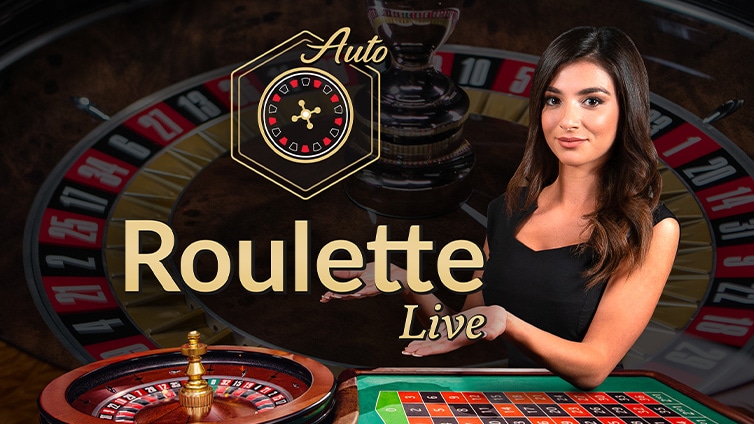
casino bono de bienvenida 2026 — promos actualizadas
mega casino en cifras y datos clave
| Feature | Details |
|---|---|
| Programa de fidelidad | 300% de reembolso |
| Métodos de pago | Visa, Mastercard, PayPal, Cripto |
| Monedas admitidas | EUR, USD, BTC, ETH |
| Casino en vivo | Disponible con 3138+ mesas |
| Asistencia | 24/7 chat y email |
Guía rápida: todo sobre mega casino retirar
¿Cómo me registro en mega casino?
Para registrarte en mega casino, solo tienes que pulsar el botón ‘Registro’ en la página principal, completar el formulario con tus datos personales y confirmar tu cuenta mediante el enlace que recibirás por correo electrónico.
¿Cómo descargo la aplicación móvil de mega casino?
Puedes descargar la app de mega casino desde la tienda oficial de tu dispositivo (App Store para iOS o Google Play para Android). Si no la encuentras, visita la sección ‘Móvil’ de la web para obtener el enlace directo.
casino en linea seguro 2026 — casino en línea seguro con ruleta
¿Qué hago si olvido mi contraseña?
En la pantalla de inicio de sesión, haz clic en ‘¿Olvidaste tu contraseña?’, introduce tu correo electrónico y sigue las instrucciones que te enviaremos para restablecerla de forma segura.
10 euros gratis por registrarte 2026 — estrategias ganadoras
¿Cómo verifico mi cuenta en mega casino?
Para verificar tu cuenta, accede a ‘Mi perfil’ y sube una copia de tu documento de identidad, un comprobante de domicilio y, si se solicita, un justificante de pago. El proceso suele tardar entre 24 y 48 horas.
¿Puedo cambiar mi información personal en mega casino?
Sí, puedes modificar tus datos personales desde la sección ‘Ajustes de cuenta’. Ten en cuenta que algunos cambios, como el nombre o la fecha de nacimiento, pueden requerir una verificación adicional por motivos de seguridad.
mega casino login ofrece una experiencia de juego segura y regulada para todos los usuarios.
Herramientas de juego responsable de mega casino en 2026
El juego es una actividad exclusiva para mayores de 18 años. mega casino opera bajo la supervisión de la Dirección General de Ordenación del Juego (DGOJ), el regulador español que garantiza un entorno seguro y transparente. Si sientes que necesitas un descanso, puedes inscribirte en el Registro General de Interdicciones de Acceso al Juego (RGIAJ), el sistema nacional de autoexclusión, o contactar con FEJAR en el 900 200 225 para recibir apoyo gratuito y confidencial. Te recomendamos establecer límites de depósito y tiempo, y jugar siempre como una forma de entretenimiento, nunca para recuperar pérdidas. Juega con responsabilidad.